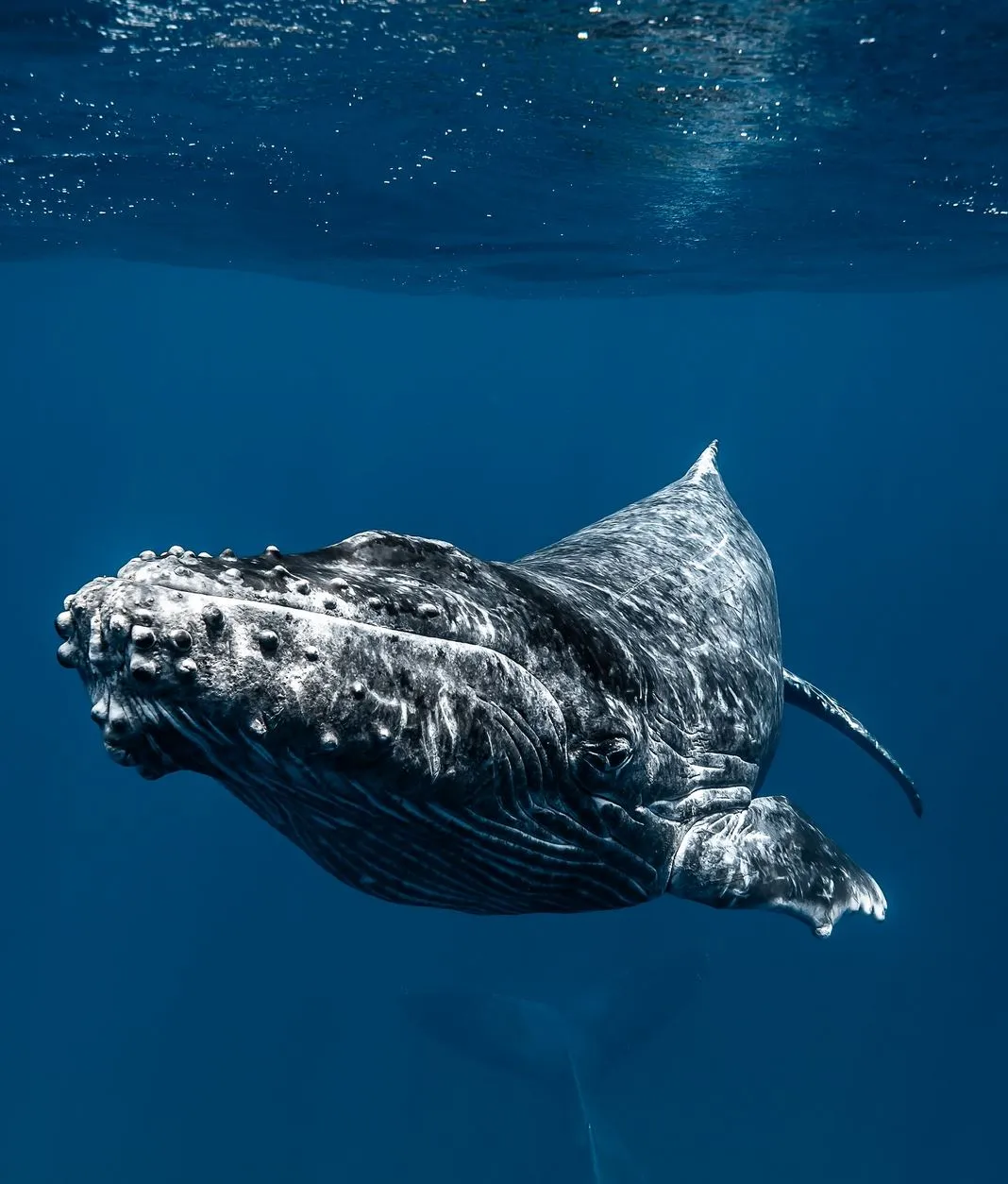
When it comes to road trips the Great Ocean Road’s got it all — rugged cliffs, frothy surf, sleepy beach towns and that Twelve Apostles view everyone’s mum wants on their fridge. But if you’re hoping to add a whale tale (or tail) to your coastal adventure, timing is everything. I’ve stood on those limestone lookouts in the dead of summer wondering where the whales were, only to find out I’d missed the party by months.
A Great Ocean Road trip during whale season adds a whole new level of wild magic to an already iconic drive.
So if you’re keen to see these ocean giants — whether it’s a southern right mum nursing her calf near Warrnambool or a cheeky humpback breaching off Portland — you’ll need to know when, where and how to spot them without freezing your toes off or spending six hours staring at empty ocean.
Contents
Best Time for Whale Watching
June to October: The Whale Watching Window
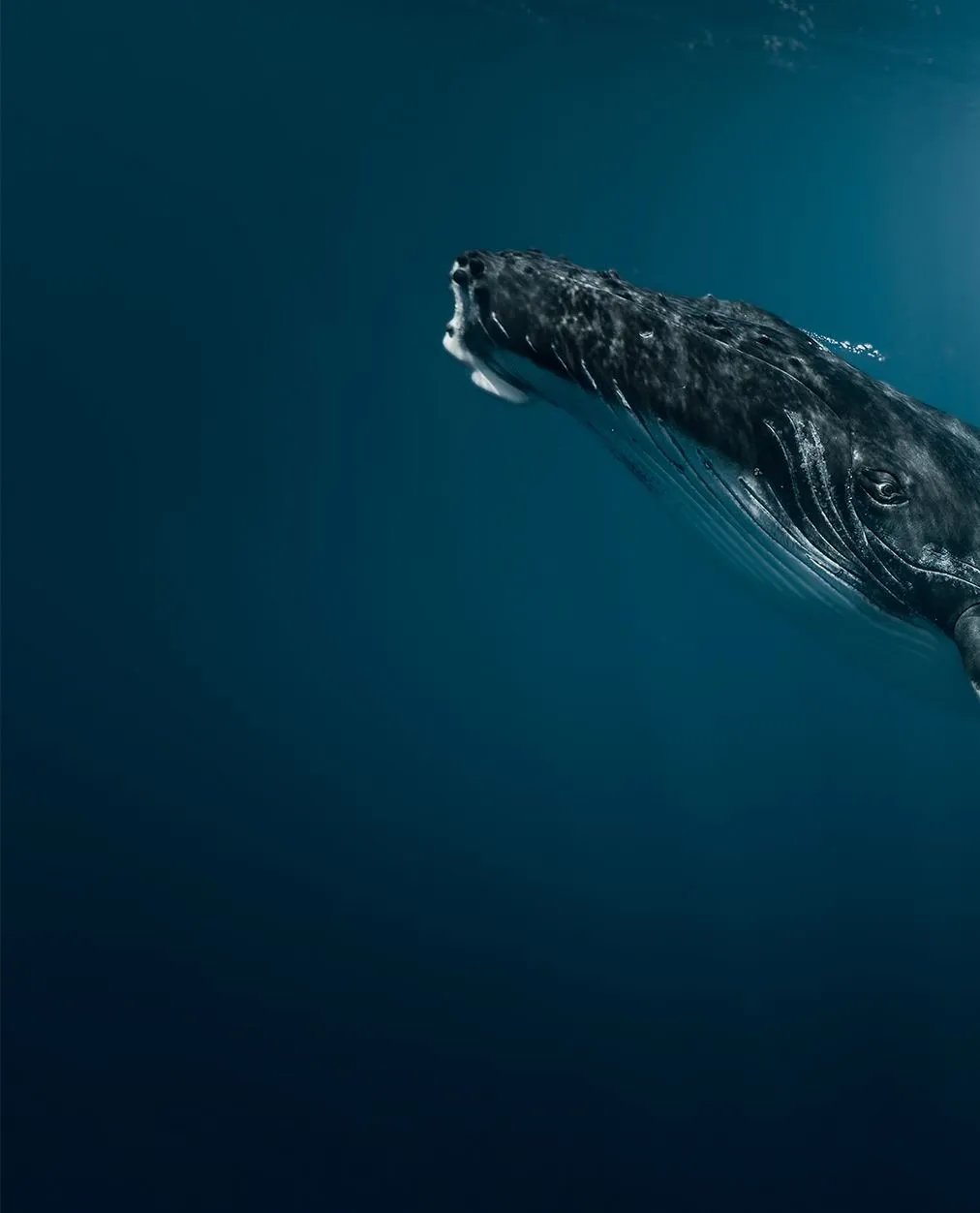
The best time to whale watch along the Great Ocean Road is from June to October, right in the middle of winter and early spring. This is when southern right whales return from Antarctic feeding grounds to calve in sheltered Australian bays.
You’re not limited to Southern rights though. You can also spot humpback whales, blue whales (if you’re lucky) and the odd orca or pilot whale if the ocean feels generous. This annual migration of marine mammals through Australian waters is a nature lover’s dream.
Here’s a quick breakdown:
- June – July: Best for pregnant southern right whales arriving in warmer waters
- July – September: Peak calving and nursing time; most reliable viewing of these gentle giants
- August – October: Humpbacks and southern rights often overlap; great time for variety and whale sightings
- November onward: Most whales are heading back south, but stragglers aren’t unheard of
Top Whale Watching Spots
Logan’s Beach, Warrnambool
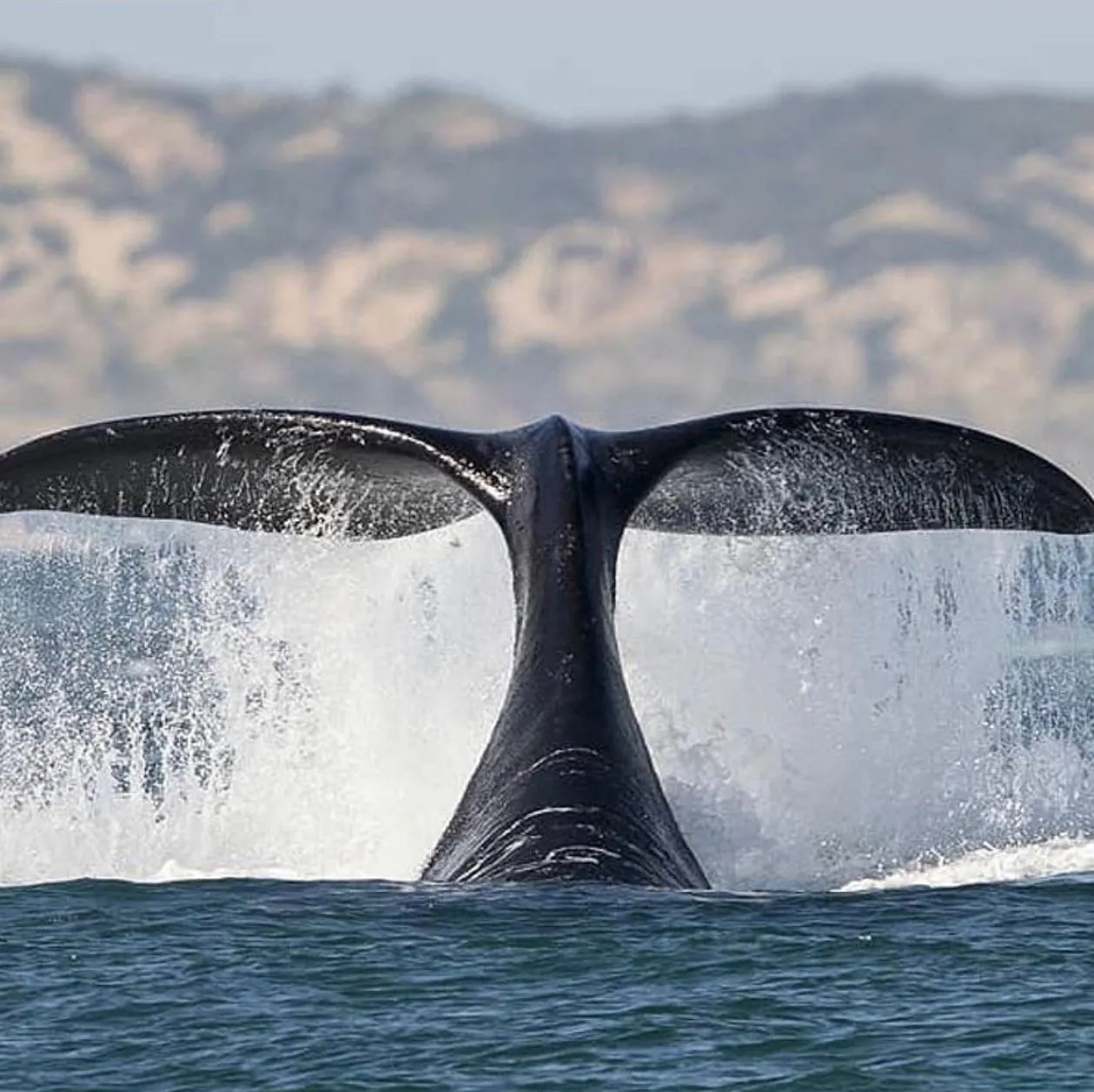
This is the most popular spot for land-based whale watching in Victoria. There’s even a dedicated whale viewing platform just east of Warrnambool. Southern right whales often come so close to shore you don’t even need binoculars — though a thermos of tea helps.
Local tip: Go early in the morning when the sun’s behind you and the whales are most active. And rug up — the wind off Bass Strait bites hard during the winter months.
Portland Bay
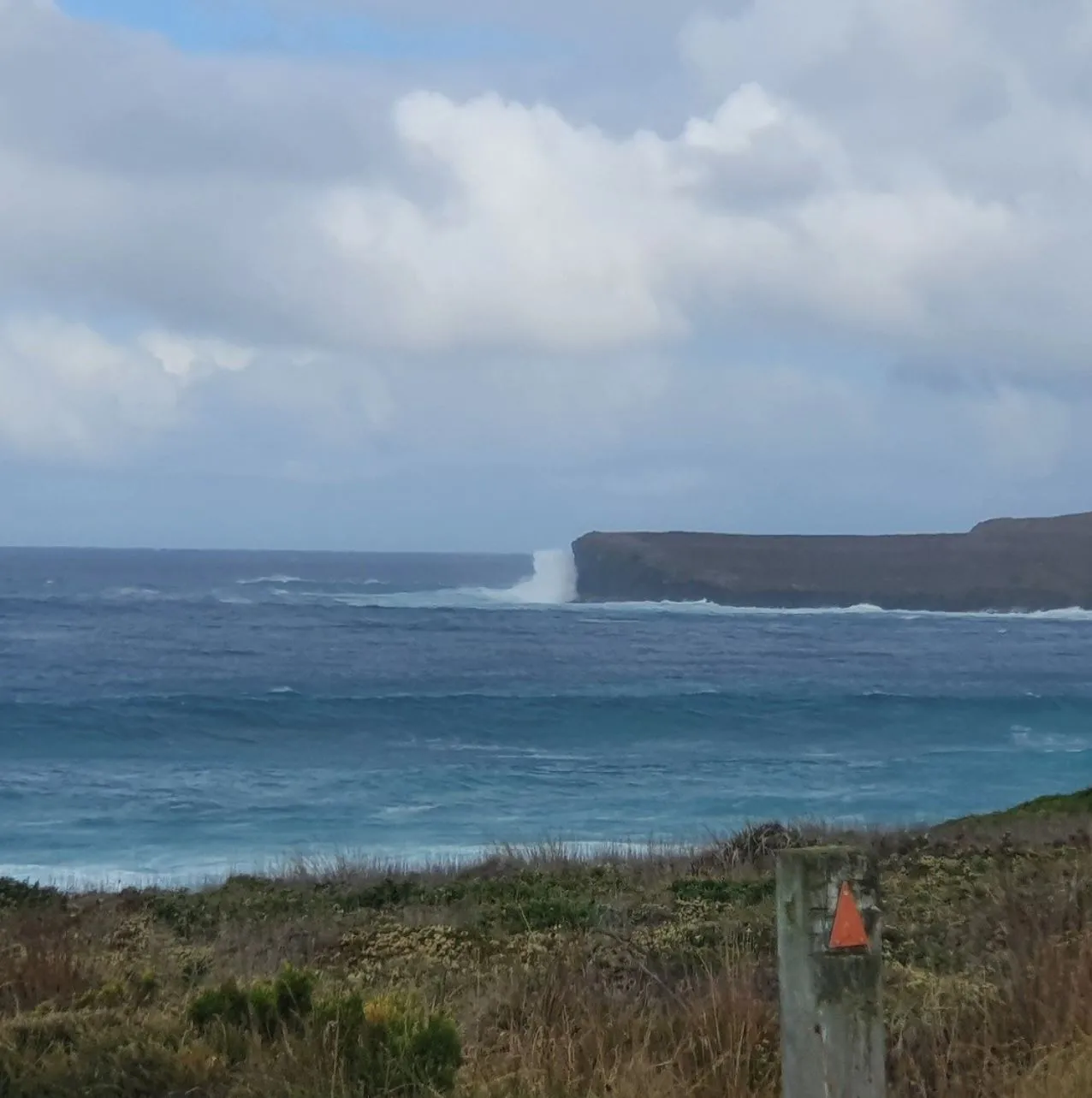
Portland’s deep harbour makes it a magnet for blue whales in summer and southern right whales in winter. It’s a great spot for boaties, but you can also get a decent view from Cape Nelson or Cape Bridgewater. The coastal formations here are as dramatic as the marine giants themselves.
Planning a Great Ocean Road tour? Don’t miss Portland — it’s a hotspot for marine action that’s worth a detour.
I once went out with a fishing mate near the shipping lanes and a humpback rose up like a submarine next to the boat. Nearly spilled my tinnie.
Port Fairy
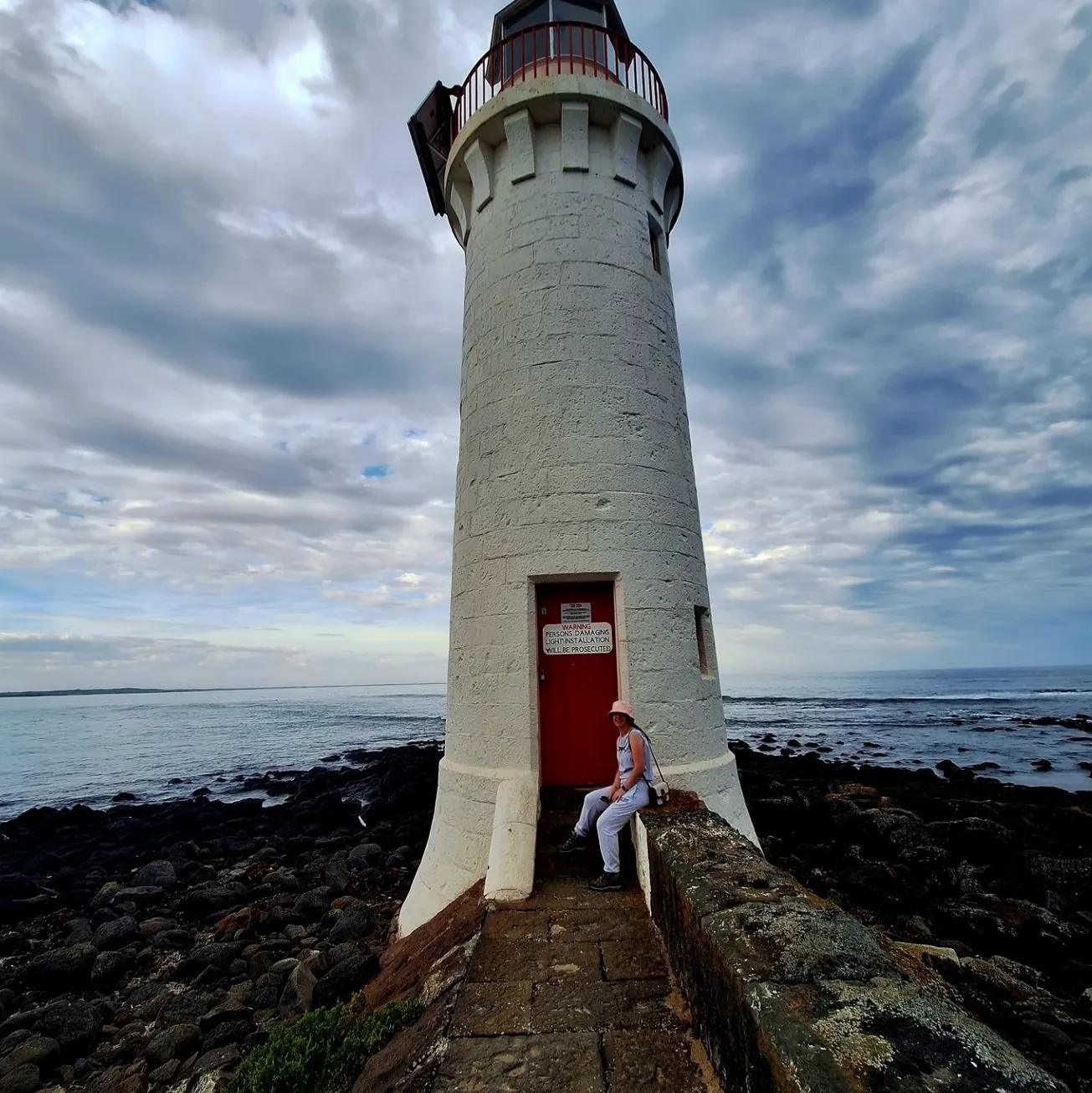
This little fishing town punches above its weight for wildlife. The Griffiths Island Lighthouse walk gives you a great view of whales, plus bonus fur seals and shearwaters. It’s a special experience in a cosy town that’s both charming and accessible.
Apollo Bay & Cape Otway
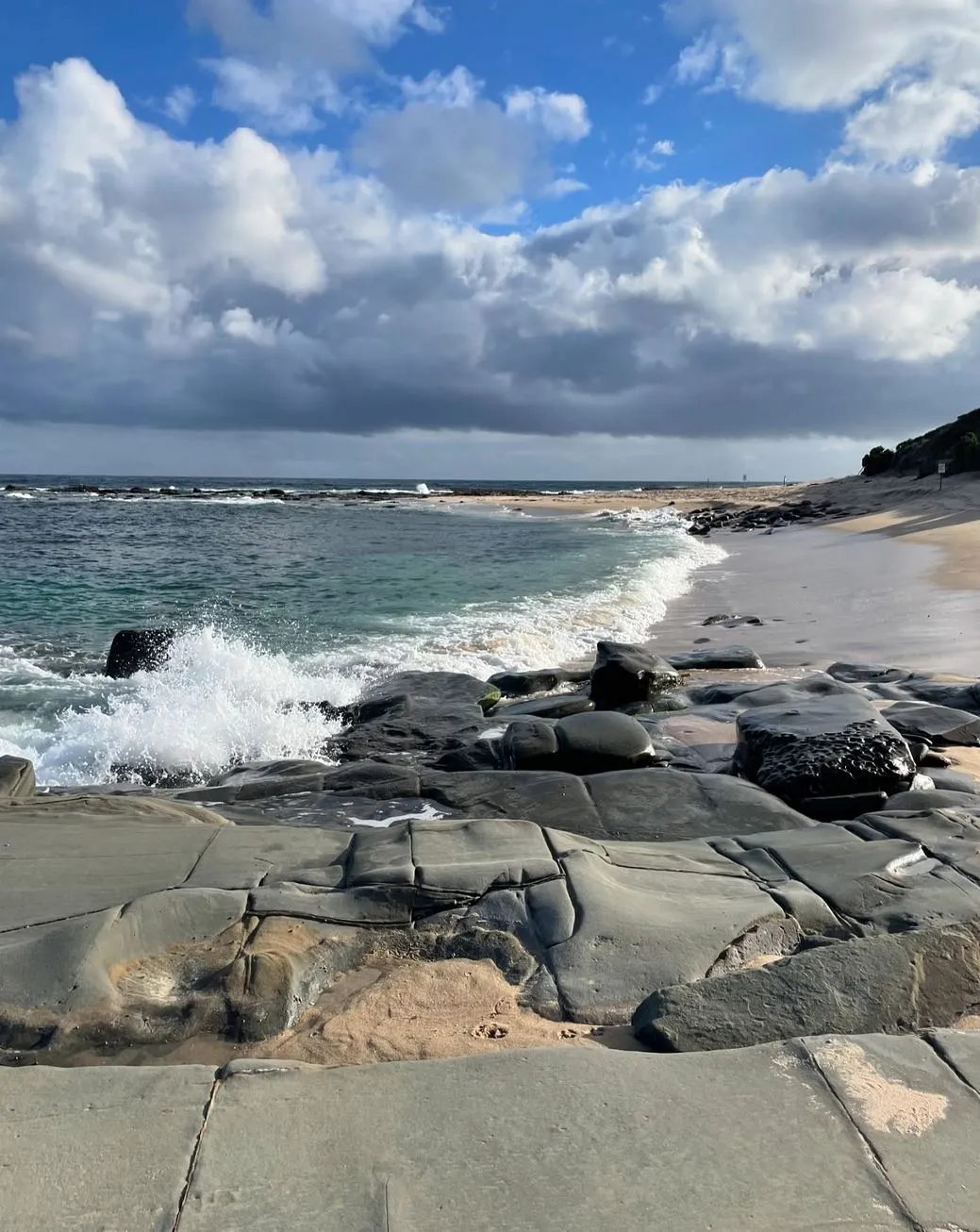
Not as reliable as the west end, but Cape Otway can still produce during the migration — especially humpbacks heading south. You’ll need to be patient and have good weather. The clifftop walk near the Cape Otway Lightstation is beautiful anyway and the national park is a bonus.
Land vs Boat: How Do You Spot ‘Em?
Land-Based Watching
- Pros: Free, safe, no seasickness. Perfect for families and impatient types.
- Cons: Less flexible. If whales aren’t near shore, you’ll come up empty.
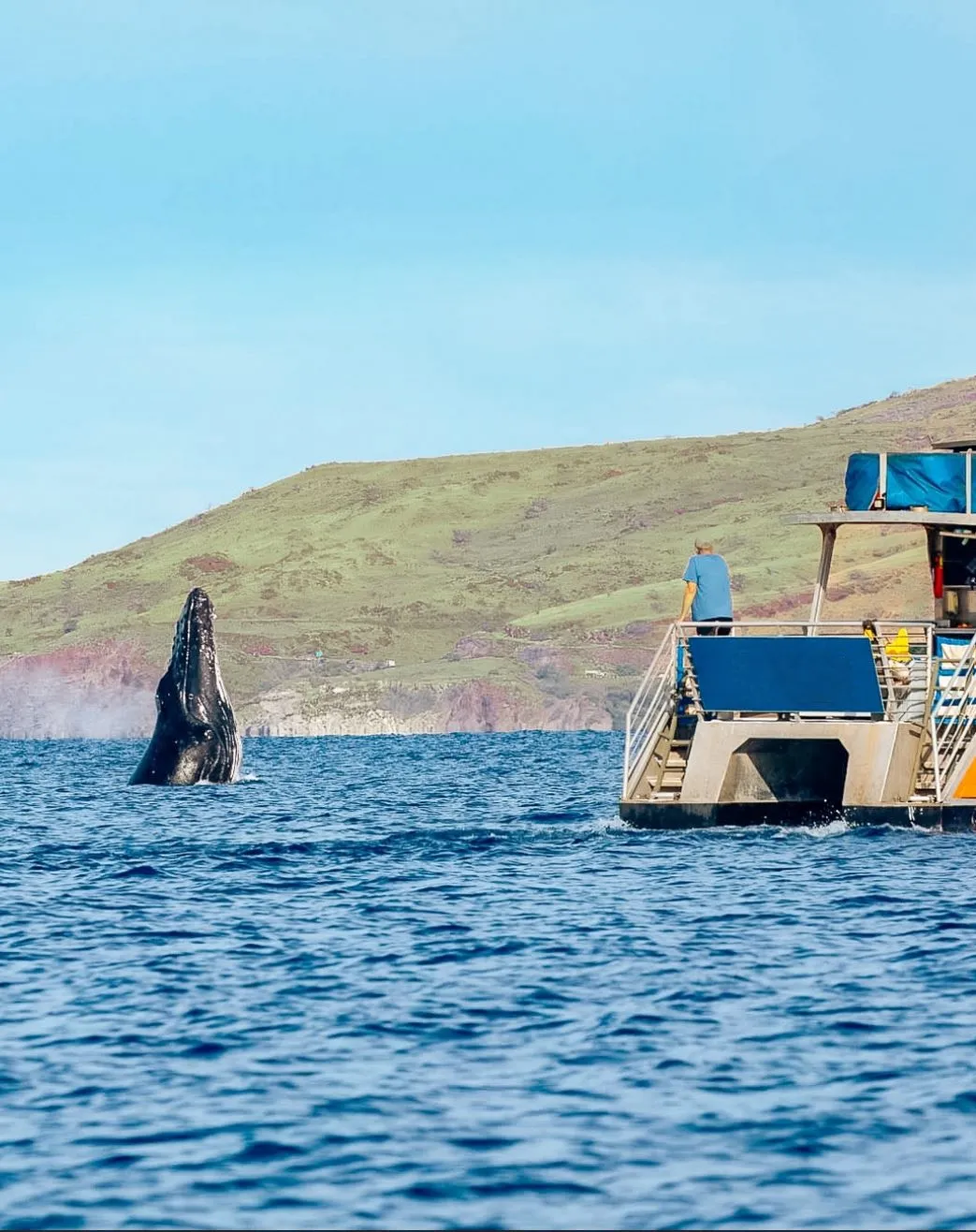
Watching whales from land is popular thanks to dedicated platforms and many coastal locations.
Boat Tours
- Pros: Get up close. Better chance of seeing multiple whale and dolphin species.
- Cons: Tours are seasonal, weather-dependent and book out fast. $80-$150 per person.
We run a few eco-friendly boat tours out of Warrnambool and Port Fairy that stick to wildlife guidelines and don’t stress the whales. If you’re interested, shoot me a message in advance for whale tour spots.
What to Pack for Whale Watching
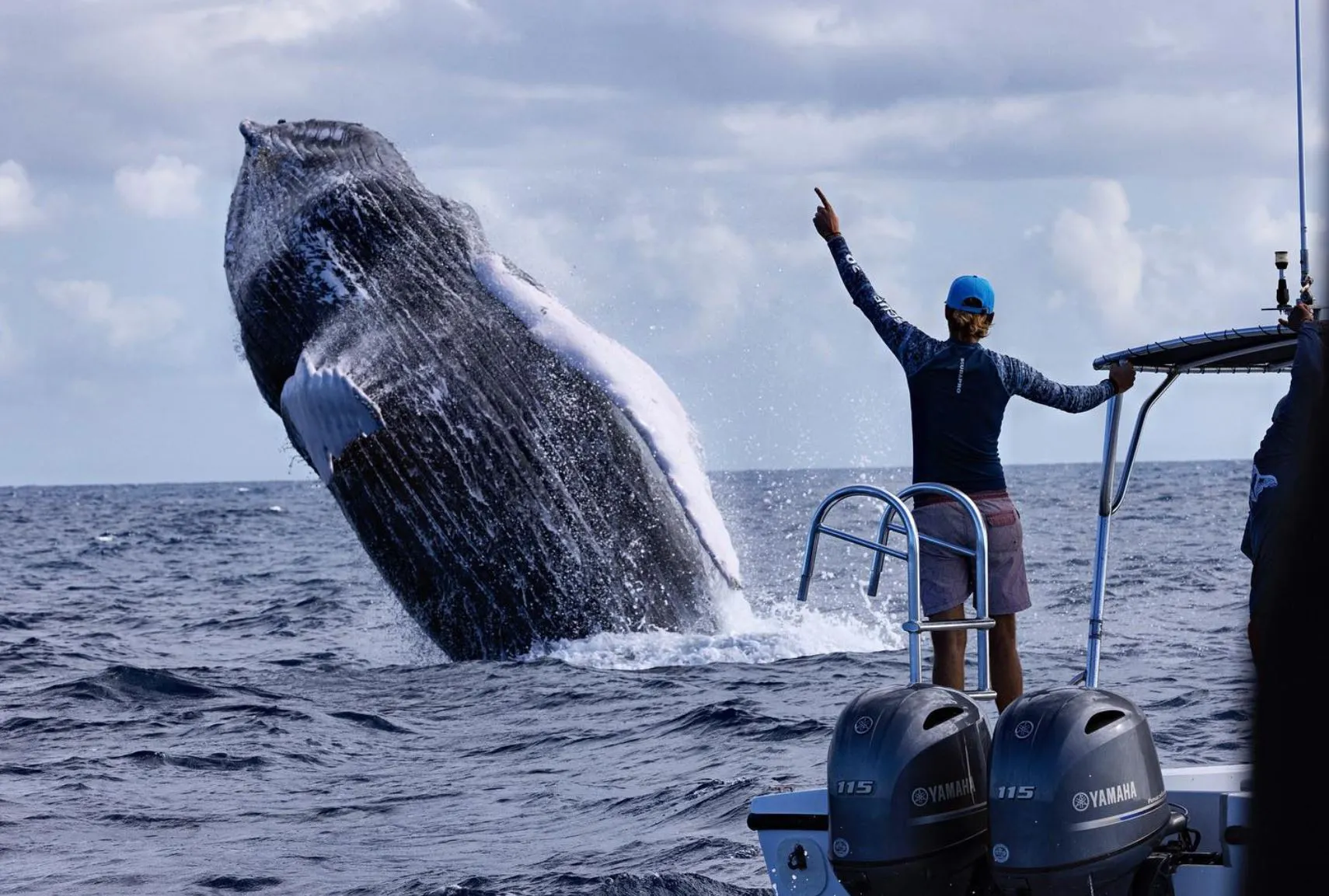
Whether you’re watching from a cliff or a catamaran, don’t turn up unprepared. Coastal Victoria in winter isn’t for the faint-hearted.
Whale watching checklist:
- Binoculars (8×42 is a good sweet spot)
- Windproof jacket (bonus points if it covers your bum)
- Beanie and gloves
- Thermos of something hot
- Camera with zoom lens (but don’t spend the whole time behind it)
- Patience — seriously
Optional:
- Camping chair or rug for long stakeouts
- Snacks (though the local bakeries are worth a detour)
- Raincoat for wet conditions
Whale Watching Etiquette
- Keep your distance: Even on land, don’t climb down sand dunes or get closer than signs allow. On boats, stick to a 300m minimum distance unless the whale approaches.
- Stay quiet: Sudden noises — including drones — can spook amazing creatures.
- No feeding, chasing or swimming with them: This isn’t a petting zoo.
- Respect cultural significance: Many coastal areas are on Gunditjmara Country. Whales have deep cultural meaning. Acknowledge Country when you visit.
Whale Species You Might See
- Southern Right Whale – Big, slow-moving, often seen close to shore with calves. White patches and no dorsal fin.
- Humpback Whale – Acrobatic, often breaching or tail-slapping. Migrates further up the east coast.
- Blue Whale – Rare but occasionally seen off Portland in summer. The biggest animal in the world.* Orca – Deep water only. You’ll need to be lucky and have a boat.
- Common Dolphins and winter dolphins.
Final Thoughts
One thing I’ve learned from chasing whale tails along the coast is this: nature runs on its own clock. Some days you’ll see half a dozen from the carpark. Other days the sea will be flat as a pancake and not a spout in sight.
But that’s half the fun, right? The waiting, the watching, the way the cold air hits your lungs as you scan the horizon. And when that massive tail finally pops up above the waves — it’s worth every chilly minute. It’s a beautiful sight in a dramatic location, just a short drive from cities like Melbourne — a day trip with great deals if you plan it right.
A well-timed Great Ocean Road day trip during whale season is one of those experiences that’ll leave salt in your hair and stories in your journal.
Got a whale watching story? Or a question about the best viewing spots? Leave a comment or send me a message — I’m always up for a chat about tides and tales. Let’s make room for curious whales, amazing animals and everyone who wants to experience the coast — no matter the accessibility issues. More accessibility and digital accessibility mean more people can share in the magic of these incredible creatures.
FAQ
Can I see whales in summer?
Summer isn’t ideal but blue whales do sometimes visit the Bonney Upwelling region near Portland between December and March.
Do I need to book boat tours in advance?
Yes especially during school holidays and weekends. Tours book out fast and are a great experience.
Are there any free whale festivals?
Warrnambool usually has a Winter Whale Trail with signage, events and family activities. Look for the whale flag indicating live whale sightings.
What time of day is best for spotting whales?
Early mornings are often best — calmer seas, cooler water and fewer people.
Can I camp nearby?
Yes. There are affordable options near Warrnambool, Port Fairy and Cape Otway. You’ll find accommodation to suit everything from day trips to extended stays.