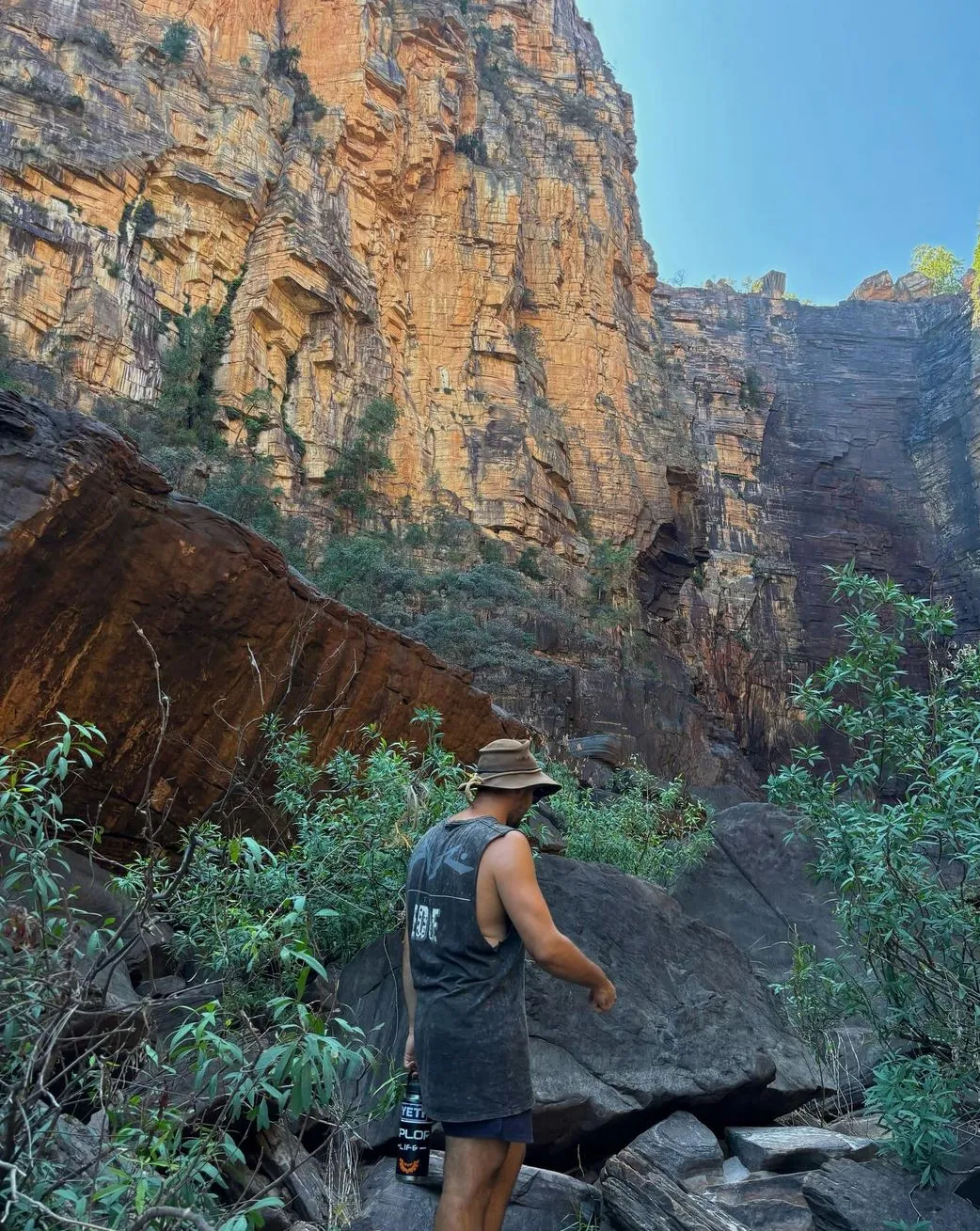
Kakadu National Park, a UNESCO World Heritage Site, is one of Australia’s most iconic and ecologically diverse national parks. Located in the Northern Territory, it covers nearly 20,000 square kilometres and has wetlands, floodplains, sandstone escarpments and ancient rock art. Despite its beauty and importance Kakadu is facing growing environmental threats to its natural habitat, cultural integrity and visitor safety. As you travel to Kakadu and other nearby destinations like Nitmiluk National Park and Litchfield National Park, it’s essential to be aware of the risks. Many choose to travel with reputable operators like Autopia Tours to travel responsibly. A popular choice for short breaks, 2 day Kakadu tours from Darwin give you a taste of the region’s cultural and ecological diversity.
Contents
1. Climate Change: Dry Seasons, Wet Seasons
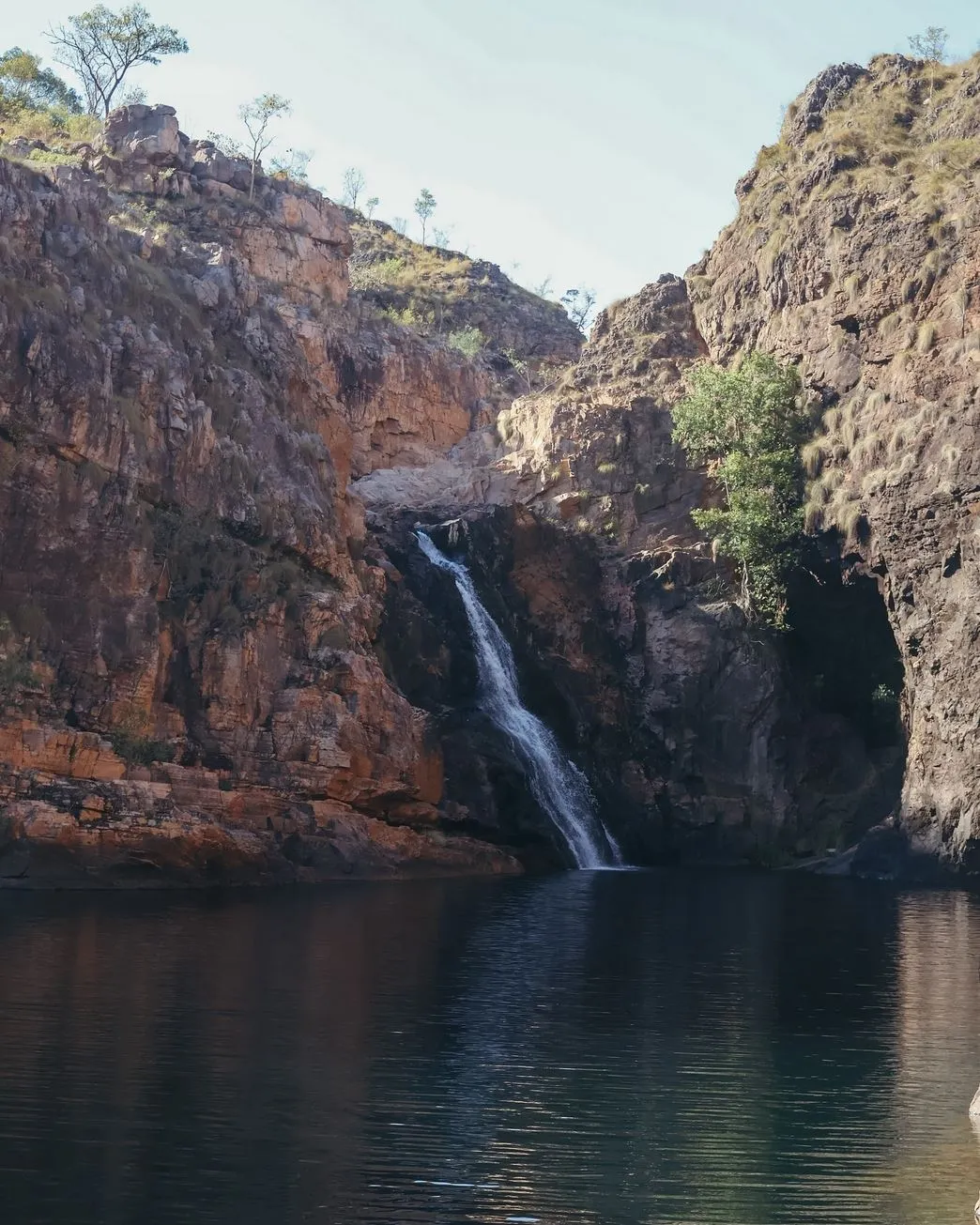
Kakadu’s environment is shaped by extreme seasonal contrasts with long dry seasons and intense wet seasons. These cycles affect plant growth, animal behaviour and the presence of freshwater crocodiles and saltwater crocodiles. But climate change is disrupting these patterns. Extended dry seasons are reducing water levels in wetlands and water bodies, threatening aquatic bird species and animals that depend on clean fish and aquatic vegetation. More intense wet seasons bring flash flooding that erodes natural habitat, increases risk for visitors and damages crocodile habitats.
Late afternoons in the wet season often see sudden rain and storm surges, so park staff are constantly monitoring. Flash flooding not only stops visitor access but also puts pressure on emergency services. Safety guidelines and warning signs are updated regularly to ensure visitor safety especially near swimming pools, waterholes and during tours to sacred rock art sites.
Snapshot of Threats to Kakadu
| Threat Category | Primary Impacted Areas | Key Consequences |
|---|---|---|
| Climate Change | Wetlands, floodplains, water systems | Flash flooding, habitat loss, and water shortages |
| Invasive Species | Forests, grasslands, and native fauna zones | Biodiversity decline, species collapse |
| Industrial Activity | Buffer zones near park boundaries | Water contamination, cultural disruption |
| Water Mismanagement | Wetland ecosystems, rock art sites | Reduced water flow, ecological imbalance |
| Tourism Pressure | Cultural sites, crocodile habitats | Erosion, safety risks, and cultural site degradation |
2. Invasive Species and Loss of Biodiversity
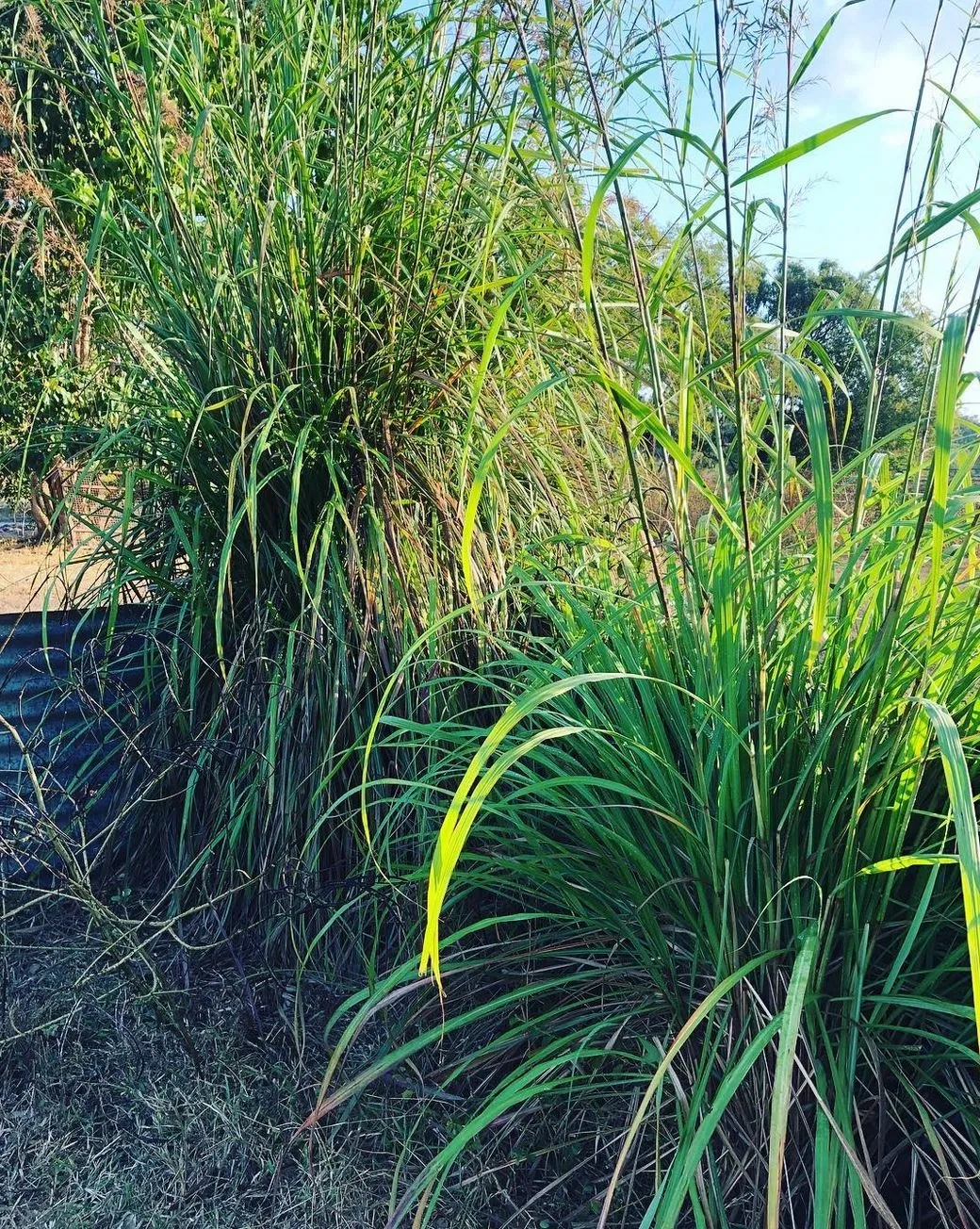
Feral animals have decimated Kakadu’s biodiversity. Feral cats, cane toads and gamba grass outcompete native animals and plants. Cane toad poison has wiped out predators like the northern quoll. These invaders disrupt the food chain and are causing species of birds, reptiles and turtles to decline. Park staff have developed a species strategy to control feral populations, restore balance and protect endangered wildlife.
Tourists are also being educated on how to prevent the spread of invasive species. Feral animal control programs involve trapping, fencing and fire management to protect plant species and animal habitats. We must act now to prevent irreversible damage to one of the world’s most important ecological zones.
3. Mining and Industrial Activity
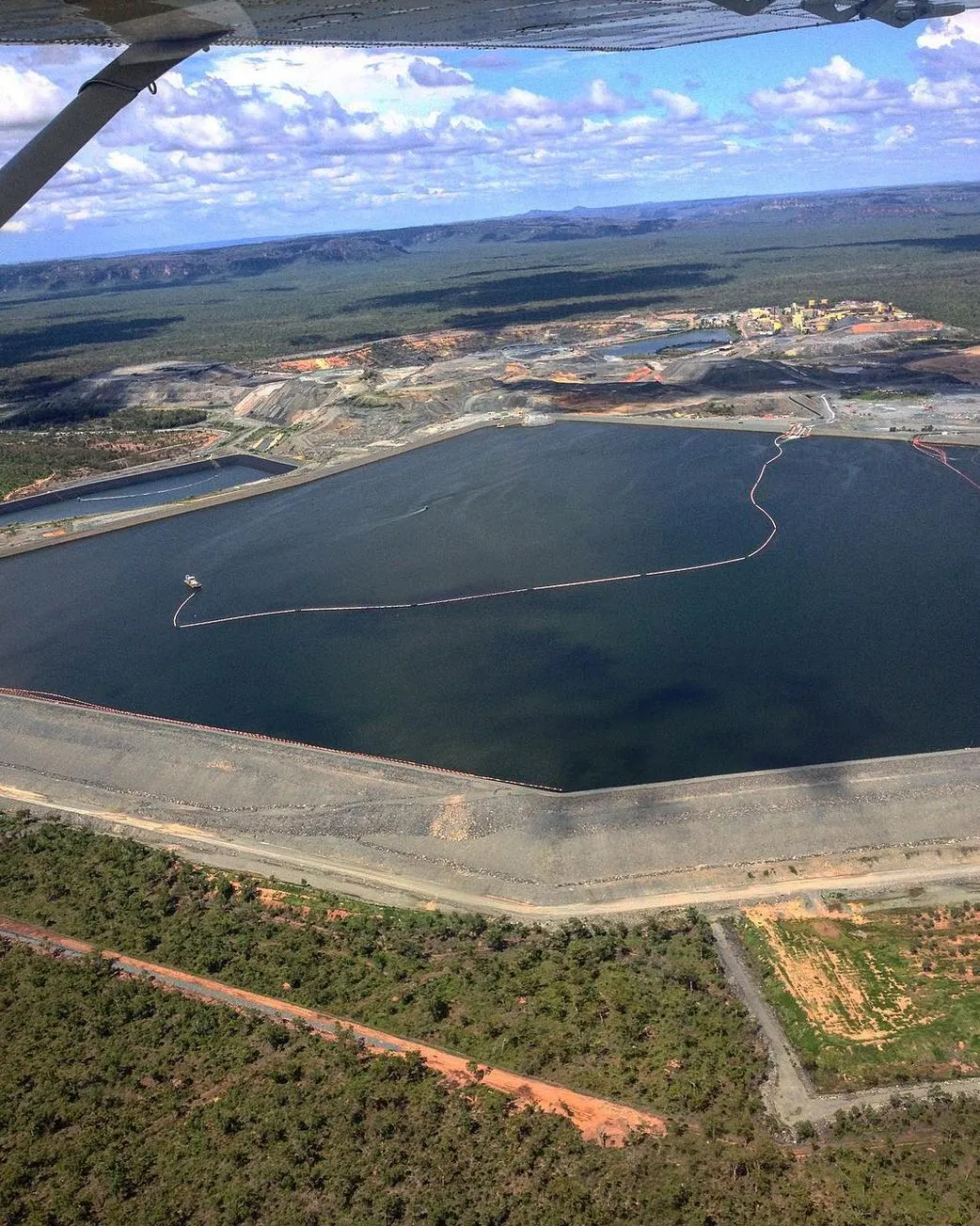
Although mining within Kakadu is heavily restricted, industrial activity outside the park is still a threat. The Ranger Uranium Mine is now closed, but it has left behind concerns about uranium waste management and contamination of nearby water systems. Rehabilitation of former project sites is ongoing but many environmentalists and traditional owners believe it will take decades to fully recover.
Contamination of water systems not only harms aquatic life but also affects access to clean fish for Indigenous communities who rely on traditional fishing. Protecting the park boundaries from future industrial encroachment is top priority.
4. Water Management
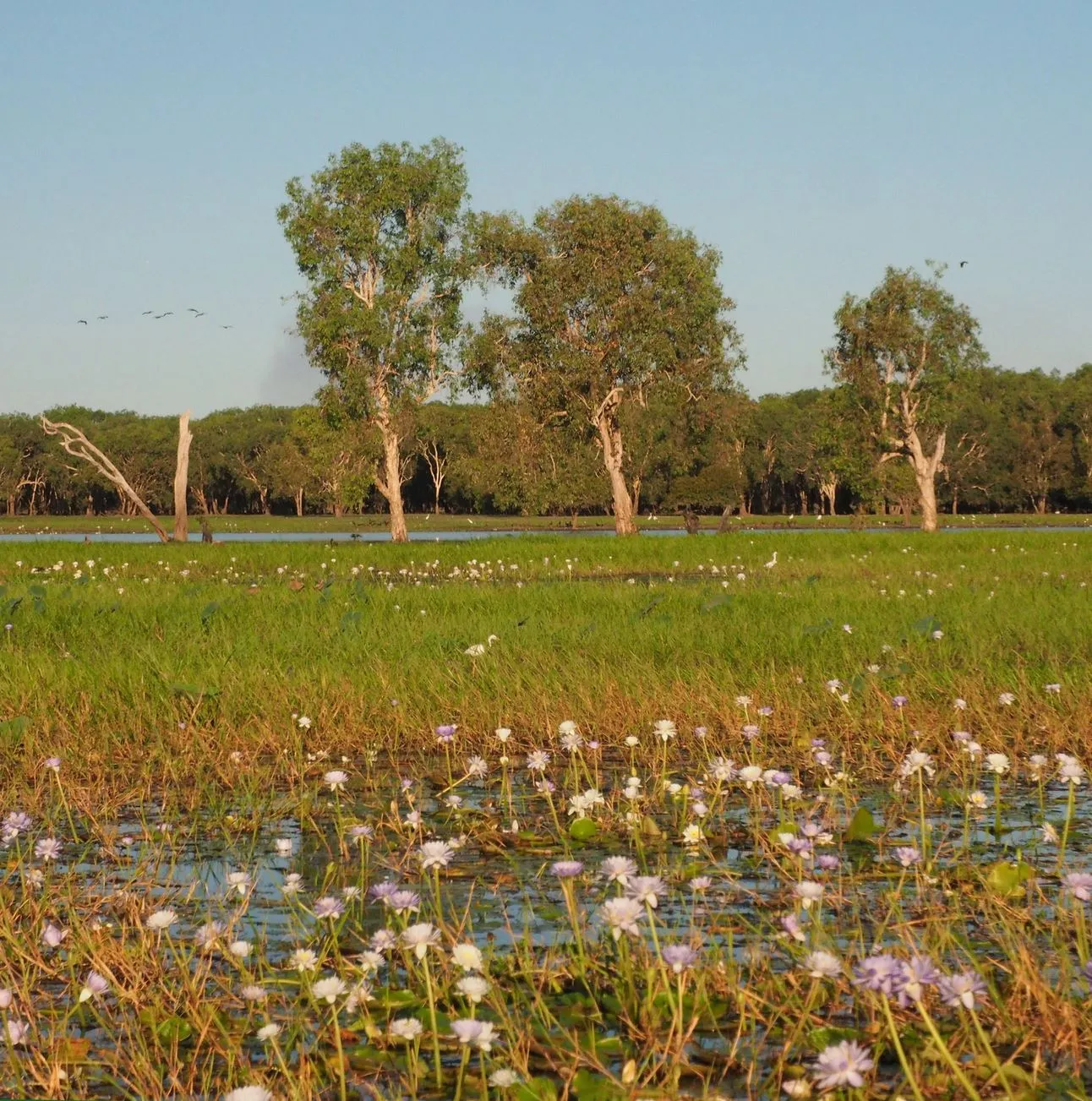
Kakadu’s vast wetland systems depend on timely and adequate water flow during the wet season. Changes in upstream land use and poor water management can reduce water quality and quantity reaching the park. This shrinks the wetlands which in turn affects migratory birds, freshwater crocodiles and turtles.
Park staff, scientists and traditional owners are working together to monitor water quality and adapt water flow systems. Their joint effort is to balance ecological needs and cultural traditions. Rock art sites near flood zones need special attention to prevent water damage during intense seasonal flooding.
5. Cultural Preservation and Tourism
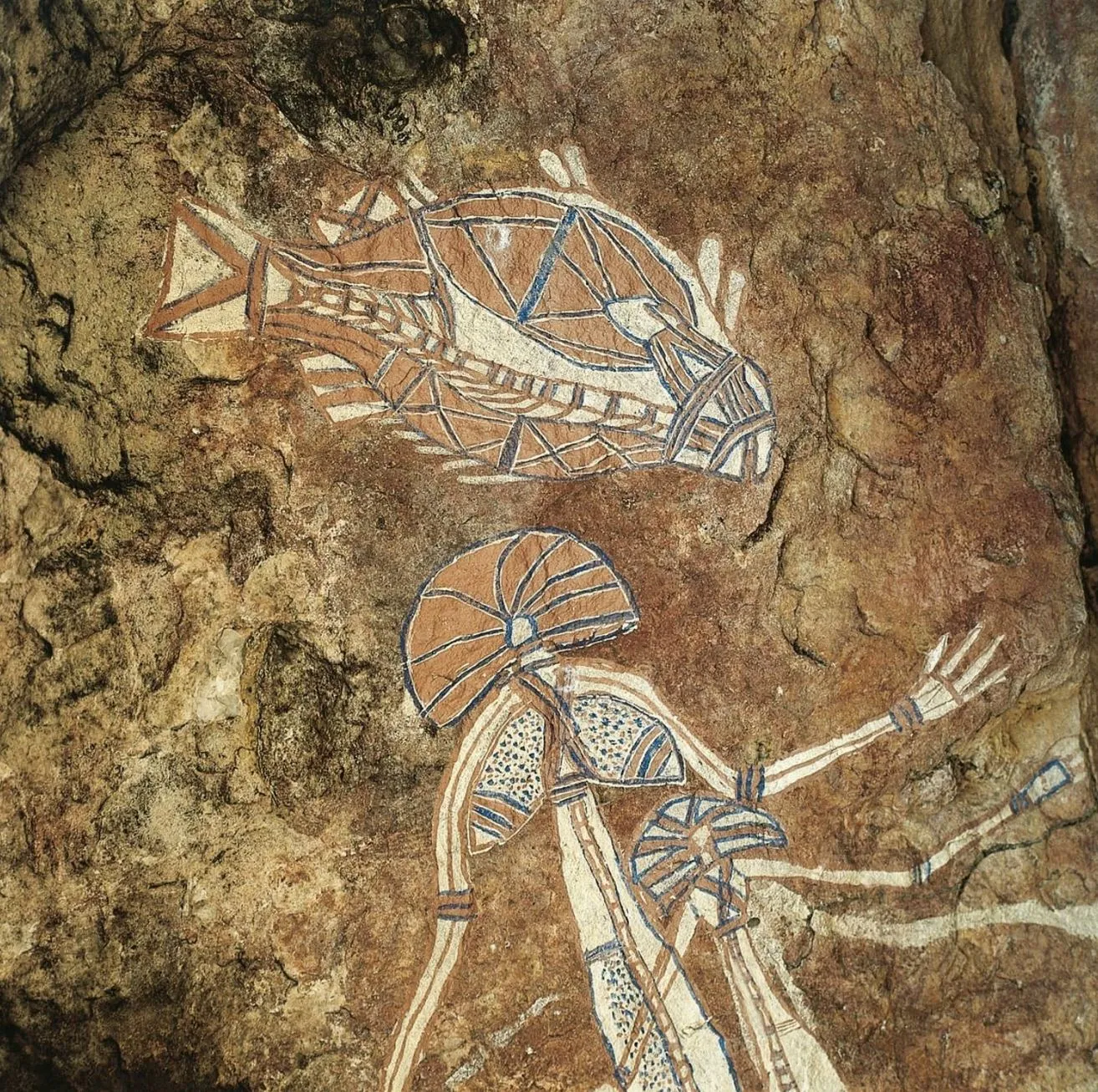
Kakadu is not just a natural wonder but a cultural landscape, managed by Parks Australia and its traditional owners, the Indigenous people who have lived here for more than 65,000 years. These custodians look after the region’s sacred rock art, oral history and ecological knowledge passed down through generations.
Tourism brings economic benefits but also challenges. Visitors entering cultural areas or ignoring safety signs can unintentionally disrespect sacred spaces or cause erosion. Tourists swimming in crocodile habitats or wading into unpatrolled waterways require strict crocodile management. Adequate supplies like first aid kits, emergency beacons and guided tours help minimise risk for visitors.
Park staff have increased warning signs, educational programs and real-time updates during the wet season. Visitor safety depends on staying on marked trails, understanding the dangers of saltwater crocodiles and respecting park boundaries.
Dangerous Animals: Understanding the Risks
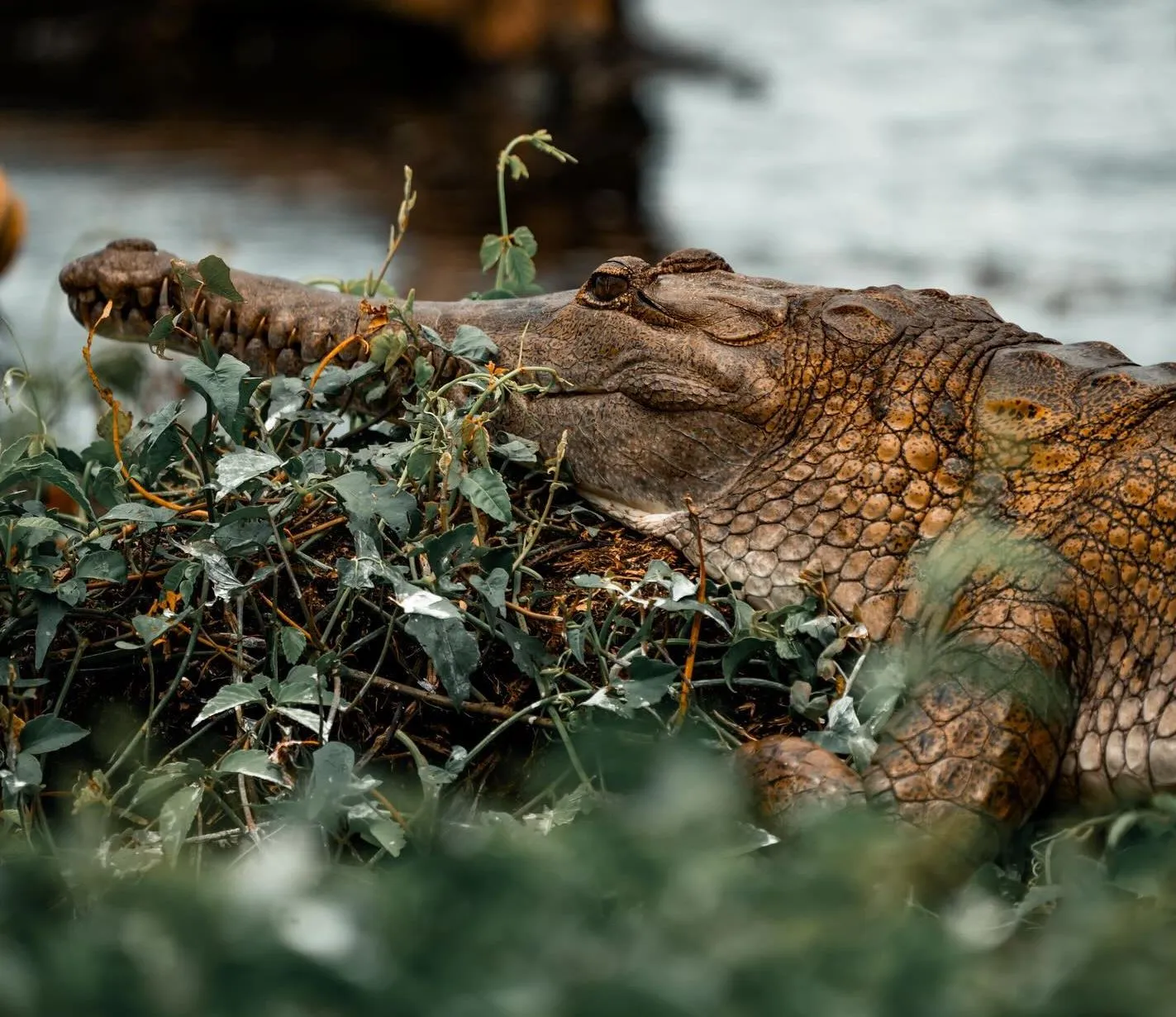
Kakadu has both freshwater and saltwater crocodiles. Freshwater crocodiles are shy, saltwater crocodiles are aggressive and responsible for most crocodile attacks in the region. Crocodile management involves regular surveys of crocodile habitats especially after flash floods and relocating animals that stray into visitor areas.
Visitors should only enter swimming pools or waterways clearly marked as safe. Safety guidelines include checking local signs, not entering unpatrolled areas in the late afternoon and staying informed through park alerts. Snakes and wild pigs also inhabit Kakadu so general awareness and preparedness are key. Park staff provide safety tips through pamphlets, briefings and digital resources.
Future: Conservation Through Collaboration
Kakadu’s future requires collaboration between governments, scientists, park staff, traditional owners and visitors. Conservation projects include habitat restoration, species strategies and funding Indigenous ranger programs. The importance of Indigenous people in maintaining ecological and spiritual balance is widely recognised and supported. Responsible tourism, increased environmental monitoring and stronger park boundaries are key. Companies like Autopia Tours are helping by promoting responsible visitation and making sure visitors understand the cultural and environmental significance of the park. Arnhem Land is nearby and offers more cultural experiences so why not go further and explore responsibly. Many visitors extend their stay with 2-day Kakadu tours from Darwin and see remote wilderness and learn about traditional culture from Indigenous guides.
FAQ
Why is Kakadu important?
It’s got natural and cultural significance, ancient Aboriginal rock art sites, rare wildlife and globally important ecosystems.
What are the main threats to Kakadu?
Climate change, invasive species, poor water management, tourism and mining next door.
Is tourism damaging Kakadu?
Tourism brings in the dosh but can stress ecosystems and cultural sites if not managed sustainably. Visitor safety is also a concern with wild animals, flash floods and no supplies.
Who manages Kakadu?
Kakadu is jointly managed by its traditional Aboriginal owners and Parks Australia, with park staff and conservation experts.
Can Kakadu be saved?
Yes, with collaborative management, Indigenous leadership, investment in conservation and responsible tourism Kakadu can be here for future generations.